
Altcoins: What Are They and Should You Invest?
Table of Contents
Cryptocurrency isn’t just about Bitcoin anymore. As the digital asset landscape matures, a vast array of alternative cryptocurrencies—or altcoins—have emerged, each offering its unique take on blockchain technology. From powering smart contracts to enabling faster transactions, altcoins represent the innovative spirit of the crypto world. But what exactly are altcoins, and should you invest in them? In this comprehensive guide, we’ll dive deep into the world of altcoins, exploring their origins, types, potential benefits, and the risks they carry. Whether you’re a crypto novice or a seasoned investor, this article will help you navigate the complexities of altcoin investments.
What Are Altcoins?
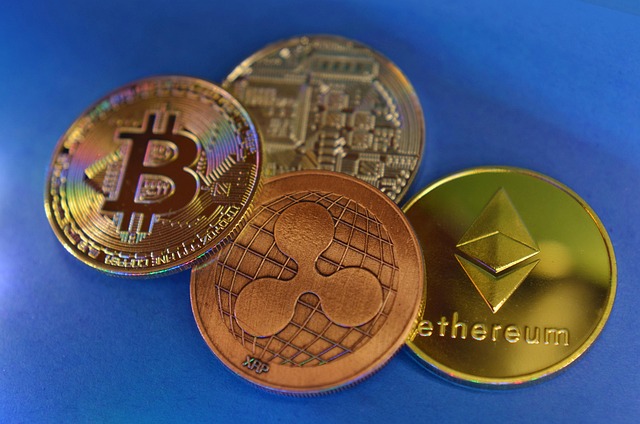
Altcoins is a term used to describe any cryptocurrency other than Bitcoin. The name is derived from “alternative coin,” which highlights their role as alternatives to Bitcoin’s original model. While Bitcoin is often considered the gold standard in the crypto market, altcoins bring innovation and diversity to the digital asset ecosystem.
The Origins of Altcoins
Bitcoin was the first cryptocurrency, created in 2009 by the mysterious Satoshi Nakamoto. Its success paved the way for the development of thousands of other cryptocurrencies. These early altcoins were often experimental, with some trying to improve on Bitcoin’s technology, while others sought to cater to niche markets. As the industry evolved, altcoins began to incorporate advanced features such as:
- Smart Contracts: Platforms like Ethereum introduced the concept of self-executing contracts, which automatically enforce the terms of an agreement without intermediaries.
- Enhanced Privacy: Coins like Monero and Zcash focus on providing a higher degree of anonymity, addressing concerns about data privacy.
- Faster Transactions: Cryptocurrencies such as Litecoin and Ripple (XRP) were designed to process transactions more quickly and at lower fees than Bitcoin.
- Decentralized Finance (DeFi): Many altcoins power decentralized applications (dApps) and DeFi protocols, disrupting traditional financial services by enabling lending, borrowing, and yield farming on blockchain networks.
Types of Altcoins
Altcoins are not a homogenous group; they vary widely in terms of functionality, technology, and use cases. Here are some of the major categories:
- Platform Coins:
These altcoins power blockchain platforms that enable developers to build and deploy decentralized applications.
Example: Ethereum (ETH) is the most well-known platform coin, supporting a vast ecosystem of dApps, NFTs, and DeFi projects. - Privacy Coins:
Focused on user anonymity, privacy coins incorporate advanced cryptographic techniques to obfuscate transaction details.
Example: Monero (XMR) is renowned for its robust privacy features, making transactions nearly untraceable. - Utility Tokens:
Utility tokens are digital assets that provide access to a specific service or product within a blockchain ecosystem.
Example: Binance Coin (BNB) was initially created as a discount token for Binance exchange fees but has since expanded its utility across multiple platforms. - Stablecoins:
These cryptocurrencies aim to reduce volatility by pegging their value to a stable asset, such as the US dollar or gold.
Example: Tether (USDT) is one of the most widely used stablecoins, offering a relatively stable store of value in the volatile crypto market. - Meme Coins:
Often created as a joke or to capitalize on internet culture, meme coins can sometimes gain unexpected popularity.
Example: Dogecoin (DOGE) started as a parody but has since grown into a significant digital asset with a passionate community. - Governance Tokens:
These tokens provide holders with voting rights on key decisions regarding the future of a blockchain protocol.
Example: Uniswap (UNI) allows token holders to participate in governance decisions that shape the platform’s evolution.
The Appeal of Altcoins
Investors are drawn to altcoins for several compelling reasons:
Innovation and Diversification
Altcoins represent the innovative edge of the crypto industry. While Bitcoin remains the benchmark for digital scarcity and store of value, many altcoins experiment with novel ideas and technologies that address Bitcoin’s limitations. This diversity in technological approaches provides investors with a way to diversify their crypto portfolios, reducing reliance on a single asset class.
Potential for High Returns
Given their relatively low market capitalization compared to Bitcoin, altcoins can offer substantial growth potential. A successful altcoin project might see its value multiply many times over, particularly if it addresses a significant market need or garners strong community support. However, high reward potential also comes with high risk.
Access to New Markets
Many altcoins are tailored to specific industries or use cases, such as decentralized finance, gaming, or supply chain management. Investing in these projects offers exposure to emerging sectors and can position investors to benefit from early-stage growth in these areas.
Community and Developer Support
A vibrant community and a dedicated development team are often the backbone of a successful altcoin project. Altcoin investors can take comfort in knowing that a strong, active community can drive continuous improvements, widespread adoption, and even resilience during market downturns.
The Risks Associated with Altcoin Investments
Despite the allure of innovation and high returns, altcoin investments are not without significant risks. Before diving into altcoins, it’s crucial to understand the potential pitfalls.
High Volatility
Altcoins tend to be more volatile than Bitcoin due to their smaller market caps and lower liquidity. Sudden price swings can result in significant gains—or losses—over short periods, making them suitable primarily for investors who can tolerate high risk.
Regulatory Uncertainty
The regulatory landscape for cryptocurrencies remains in flux in many parts of the world. Altcoins, especially those with features like privacy enhancements or decentralized governance, might face heightened scrutiny or even outright bans in certain jurisdictions. Keeping abreast of regulatory developments is essential for altcoin investors.
Project Viability
Not all altcoin projects are created equal. Many projects fail to deliver on their promises, while others may even turn out to be scams. Due diligence is critical—investors must research a project’s whitepaper, team background, technological roadmap, and community feedback before investing.
Liquidity Concerns
Some altcoins, particularly those with a niche focus or limited exchange listings, may suffer from liquidity issues. Low trading volumes can make it challenging to buy or sell large quantities of an altcoin without significantly affecting its market price.
Technological Risks
Blockchain technology is still in its relative infancy, and many altcoin projects may encounter unforeseen technical challenges. Bugs, security vulnerabilities, or fundamental design flaws can lead to substantial losses or even render a project defunct.
Should You Invest in Altcoins?
Deciding whether to invest in altcoins depends on several factors, including your risk tolerance, investment goals, and understanding of the technology. Here are some key considerations to help you decide:
Assess Your Risk Tolerance
Altcoins can be highly volatile and speculative. If you’re uncomfortable with the possibility of large fluctuations in your portfolio’s value, you might want to limit your exposure to these assets. Investors with a higher risk tolerance may allocate a small portion of their portfolio to altcoins as a way to potentially capture high returns.
Diversify Your Portfolio
Even if you’re enthusiastic about altcoins, diversification is key. Instead of putting all your investment into one altcoin, consider spreading your risk across multiple projects with different use cases. This approach can mitigate the impact of a single project’s failure on your overall portfolio.
Do Your Homework
Successful altcoin investing requires thorough research. Evaluate the fundamentals of each project:
- Whitepaper: Does the project have a clear, realistic vision?
- Team: Are the developers and advisors experienced and credible?
- Technology: Is the technology innovative and sound? Are there any red flags?
- Community: Is there an active, engaged community supporting the project?
- Partnerships and Adoption: Are there any notable partnerships or real-world use cases?
Understanding these elements can help you distinguish promising projects from those that may be overhyped or fundamentally flawed.
Consider the Market Cycle
The cryptocurrency market, including altcoins, operates in cycles. Bull markets can drive exponential gains, while bear markets may see most projects suffer severe losses. Recognizing the current market cycle can help you time your investments and manage your expectations. Some investors prefer to accumulate altcoins during market dips and hold them for the long term, betting on eventual market recovery.
Use Dollar-Cost Averaging
Given the volatility in altcoin markets, consider employing a dollar-cost averaging (DCA) strategy. By investing a fixed amount at regular intervals, you can reduce the risk of entering the market at an inopportune time. This approach helps smooth out the overall purchase price and can reduce the impact of short-term volatility.
Popular Altcoins to Watch
While there are thousands of altcoins in the market, some have gained significant traction and are worth keeping an eye on. Here’s a quick overview of a few noteworthy altcoins:
Ethereum (ETH)
Ethereum is the pioneer of smart contracts and decentralized applications. Its robust ecosystem and ongoing technological upgrades (such as Ethereum 2.0) make it one of the most influential altcoins in the space. Investors view Ethereum as both a platform for innovation and a potential store of value.
Binance Coin (BNB)
Originally launched as a utility token for discounted trading fees on the Binance exchange, Binance Coin has grown into a multi-faceted asset. It powers the Binance Smart Chain, which hosts a wide variety of dApps and DeFi protocols. Its strong community and continuous development make BNB a compelling investment option.
Cardano (ADA)
Cardano is a blockchain platform that emphasizes sustainability, scalability, and rigorous academic research. With its layered architecture and focus on peer-reviewed development, Cardano aims to provide a secure and scalable infrastructure for dApps and smart contracts. Its methodical approach has earned it a dedicated following among investors who value long-term vision.
Solana (SOL)
Known for its impressive transaction speeds and low fees, Solana has rapidly gained popularity as a high-performance blockchain. Its ability to handle thousands of transactions per second positions it as a serious competitor in the race to build the next generation of scalable dApps.
Polkadot (DOT)
Polkadot aims to create a network of interoperable blockchains, allowing them to communicate and share data seamlessly. This innovative approach to blockchain interoperability has attracted significant investor interest, particularly among those looking to back the infrastructure of a decentralized web.
Ripple (XRP)
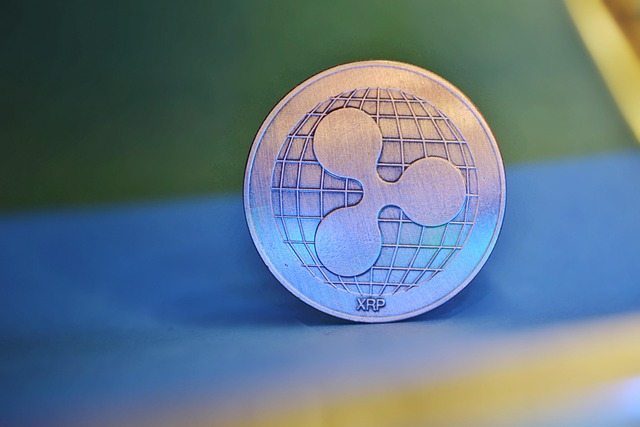
Despite facing regulatory challenges, Ripple’s XRP remains a popular choice for facilitating cross-border payments. Its partnerships with financial institutions worldwide highlight its potential to revolutionize traditional banking systems. However, regulatory uncertainties mean that XRP is often considered a higher-risk investment.
How to Invest in Altcoins
If you’ve decided that altcoins are a suitable addition to your portfolio, here’s a step-by-step guide to getting started:
1. Choose a Reputable Exchange
To purchase altcoins, you’ll need to register with a cryptocurrency exchange that supports a wide range of altcoins. Look for exchanges with strong security protocols, user-friendly interfaces, and regulatory compliance. Popular options include Binance, Coinbase Pro, Kraken, and emerging regional platforms.
2. Set Up a Secure Wallet
After purchasing altcoins, it’s important to store them securely. Consider using a hardware wallet for long-term storage or a reputable software wallet for day-to-day trading. Ensure that you enable all available security features, such as two-factor authentication (2FA), and keep your recovery phrases offline.
3. Decide on an Investment Strategy
Whether you prefer a buy-and-hold approach, active trading, or dollar-cost averaging, your investment strategy should align with your risk tolerance and financial goals. It might be wise to start small as you gain confidence and experience in navigating the altcoin market.
4. Monitor Your Investments
The altcoin market can be highly volatile, so regular monitoring is essential. Use market tracking tools like CoinMarketCap, CoinGecko, or TradingView to stay updated on price movements, market capitalization, and overall trends. Staying informed will help you make timely decisions regarding when to buy, hold, or sell.
5. Stay Educated
The world of altcoins is constantly evolving. Join online communities, follow reputable crypto news outlets, and participate in forums to remain informed about new developments, technological breakthroughs, and regulatory changes. Continuous education can significantly enhance your ability to assess the long-term viability of altcoin projects.
Strategies for Mitigating Risks
Investing in altcoins comes with inherent risks, but there are strategies you can employ to mitigate these risks:
Diversification
Don’t put all your eggs in one basket. Diversifying across several altcoins, as well as maintaining exposure to more established assets like Bitcoin, can help spread risk and reduce potential losses from any single project’s underperformance.
Setting Stop-Loss Orders
If you’re actively trading altcoins, consider using stop-loss orders to protect your investments from drastic market downturns. This automated strategy allows you to set a price point at which your holdings will be sold, helping to limit potential losses.
Only Invest What You Can Afford to Lose
Given the speculative nature of altcoins, it’s wise to allocate only a small portion of your overall investment portfolio to these assets. By doing so, you minimize the impact of any potential losses on your broader financial stability.
Conducting Thorough Due Diligence
Before investing in any altcoin, perform comprehensive research. Examine the project’s whitepaper, team credentials, community support, technological innovations, and market sentiment. This level of due diligence can help you avoid projects that are overhyped or fundamentally unsound.
Conclusion: Are Altcoins Worth the Investment?
Altcoins represent a dynamic and innovative segment of the cryptocurrency market. They offer the potential for high returns, exposure to cutting-edge technology, and diversification beyond Bitcoin. However, they also come with considerable risks, including high volatility, regulatory uncertainty, and the possibility of project failures.
Whether or not you should invest in altcoins depends largely on your individual risk tolerance, investment horizon, and commitment to staying informed about market developments. If you have the appetite for risk and the willingness to conduct thorough research, altcoins can offer exciting opportunities to diversify your portfolio and potentially capitalize on the future growth of blockchain technology.
Remember, successful investing in altcoins—like any investment—requires a balanced approach. Diversify your assets, employ sound risk management strategies, and continuously educate yourself about new trends and developments in the crypto space. By taking these steps, you can better navigate the volatile altcoin market and make decisions that align with your financial goals.
Investing in altcoins isn’t for everyone, but for those willing to embrace the challenges and rewards of the crypto world, they offer a chance to participate in the next wave of digital innovation. As always, consult with financial advisors and conduct your own research before making any investment decisions.
Happy investing, and may your journey through the world of altcoins be both enlightening and profitable!
Disclaimer: This article is for informational purposes only and does not constitute financial advice. Cryptocurrency investments are inherently risky, and you should only invest money you can afford to lose. Always do your own research and consult with a financial professional before making any investment decisions.